
Explore Products for Liquid Gap Fillers
Have a question? Let us help you.
We are here to help you. Please feel free to contact us with questions, comments or feedback.
Advanced liquid gap filler electronics thermal management solutions that deliver efficient heat dissipation and long-term system reliability.
Liquid gap fillers improve thermal conductivity by filling gaps between components, reducing thermal resistance and enhancing cooling. Precise application maintains system performance and reliability while minimizing material use and supporting efficient production.
We are here to help you. Please feel free to contact us with questions, comments or feedback.
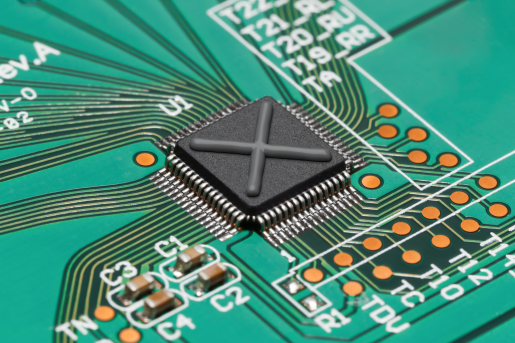
Liquid gap fillers are thermally conductive materials used in PCB thermal management to efficiently transfer heat between heat-generating components and heat sinks, enclosures, or chassis. These liquid thermal interface materials (TIMs) are ideal for complex geometries and variable gap sizes because they provide excellent surface conformity and fill uneven spaces without air gaps. Once cured, they form a stable, reliable thermal interface that improves heat dissipation, reduces hotspot formation, and helps maintain safe operating temperatures. Widely used in automotive, industrial, and high-performance electronics, liquid gap fillers enhance device reliability, extend component lifespan, and improve overall system thermal efficiency.
Yes, liquid gap fillers are well suited for automated, high-volume electronics manufacturing and PCB assembly processes. Designed with shear-thinning rheology, these thermally conductive materials enable precise, clean, and repeatable dispensing in automated systems, reducing material waste and improving process control. They can cure at room temperature or be heat-accelerated, making them easy to integrate into fast SMT and high-throughput production lines. This helps manufacturers lower labor costs, improve cycle times, and increase manufacturing efficiency. Ideal for automotive, industrial, and high-performance electronics, liquid gap fillers support scalable thermal management solutions while maintaining consistent thermal conductivity and long-term device reliability.
Once cured, liquid gap fillers form soft, durable elastomeric thermal interface materials that ensure long-term reliability in electronic thermal management systems. They resist pump-out, dry-out, and thermal degradation while maintaining consistent thermal conductivity and interface contact. This stability helps protect components from overheating, vibration, and thermal cycling stresses. As a result, they improve heat dissipation, extend device lifespan, and reduce field failure risk in demanding applications. Ideal for automotive electronics, telecom infrastructure, industrial systems, and power electronics, liquid gap fillers deliver dependable, high-performance thermal management for high-reliability PCB assemblies operating in harsh and dynamic environments.
Integrated Solutions
Our liquid gap filler thermal management solutions optimize thermal conductivity and heat dissipation, enhancing device performance, efficiency, and long-term reliability in electronic assemblies. Designed for high-performance applications, these materials improve thermal interface contact, reduce operating temperatures, and support sustainable electronics manufacturing through improved energy efficiency, reduced material waste, and RoHS-compliant production.
Reliability
Our liquid gap filler thermal management solutions are engineered for optimal performance, ensuring reliable heat transfer in high-power and complex electronic applications. Designed to improve thermal interface efficiency, reduce hot spots, and enhance long-term device stability, these materials deliver consistent reliability in automotive, industrial, and high-performance electronics requiring robust thermal management.

Address heat dissipation challenges with efficient heat transfer for optimal performance and reliable thermal management.
Learn More