
ALPHA® HiTech® CU31-3300
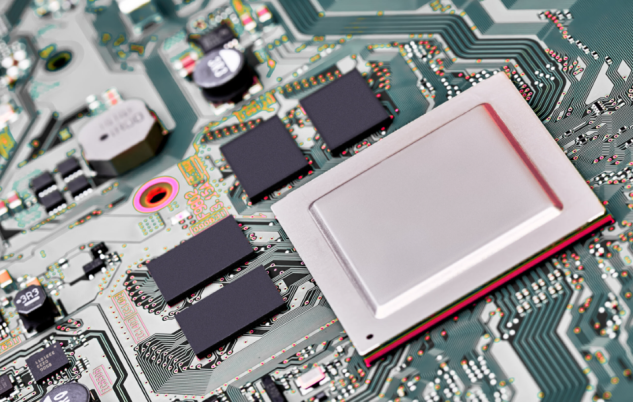
ALPHA® HiTech® CU31-3300 is a one-component, reworkable underfill engineered to reinforce Ball Grid Array components and improve board-level reliability while enabling clean removal without solder mask damage.
Contact UsProduct Overview
ALPHA HiTech CU31-3300 is a one-component reworkable underfill that balances a moderately high Glass Transition Temperature (111 °C) with excellent reworkability to help manufacturers protect assemblies while maintaining repair and rework options. The material is easily removable without damaging the solder mask, which can reduce scrap risk and lower total cost of ownership while supporting waste-reduction goals. It offers a stable production window with 20-day pot life at 25 °C and mild storage conditions of 1 °C to 10 °C. CU31-3300 has demonstrated strong thermomechanical durability, passing a Thermal Cycling Test from -40 °C to 105 °C for at least 1,000 cycles. It is halogen-free (no halogens intentionally added) and complies with the Restriction of Hazardous Substances Directive EU/2015/863.
Product Features
Glass Transition Temperature (Tg)
111 °C to support applications from mobile and wearables to computing and automotive
Pot life
20 days at 25 °C to support a stable processing window
Typical uncured viscosity
2,800 ± 600 centipoise (Brookfield RVT, 20 revolutions per minute at 25 °C)
Good adhesion strength
Good adhesion strength to reinforce Ball Grid Array components and improve board-level reliability
Halogen-free
No halogens intentionally added
Restriction of Hazardous Substances compliant
Directive EU/2015/863 (amending Annex II to 2011/65/EU)
Reliability Under Thermal Stress
Show that CU31-3300 is built to withstand repeated temperature swings and maintain board-level reliability, supported by thermal cycling performance from -40 °C to 105 °C for at least 1,000 cycles.
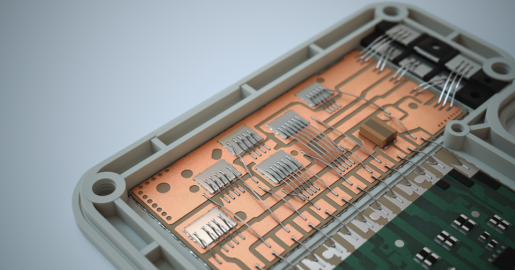
Rework Without Solder Mask Damage
Highlight that CU31-3300 enables clean removal during rework without damaging the solder mask, helping manufacturers recover assemblies and reduce scrap risk.

Stable Processing Window
Emphasize production stability enabled by a 20-day pot life at 25 °C, which helps maintain consistent line performance, reduces downtime, and supports longer usable time.

Board-Level Reinforcement for Ball Grid Array Components
Communicate that CU31-3300 provides adhesion and reinforcement around Ball Grid Array components to strengthen solder joint areas and improve board-level reliability in high-density designs.

Practical Storage Conditions
Show that CU31-3300 uses mild storage conditions (1 °C to 10 °C), which many sites can support with standard cold storage, simplifying logistics and handling.

Compliance and Formulation Positioning
Reinforce that CU31-3300 is halogen-free (no halogens intentionally added) and compliant with the Restriction of Hazardous Substances Directive EU/2015/863, supporting customer compliance requirements.

Featured Applications
Ball Grid Array reinforcement for high-density assemblies
Supports reinforcement of Ball Grid Array packages where tight spacing and high interconnect density increase mechanical stress, helping improve board-level reliability.
Mobile devices requiring rework-friendly reliability protection
Provides underfill reinforcement for compact mobile assemblies while still enabling rework, helping manufacturers reduce scrap risk on high-value boards.
Wearables with compact layouts and board-level reliability needs
Fits space-constrained wearable designs where reliability is critical and rework capability matters due to tight tolerances and high assembly value.
Computing assemblies exposed to repeated thermal stress
Designed for assemblies that experience frequent temperature changes, with demonstrated thermal cycling performance to help protect interconnect reliability.
Automotive electronics requiring thermomechanical durability
Targets automotive environments where assemblies face wide temperature ranges and long-life reliability expectations, supported by thermal cycling performance data.
High-value assemblies where scrap reduction and rework economics matter
Helps lower total cost of ownership by enabling clean rework and recovery of expensive assemblies, reducing the impact of rework events on yield and waste.