
Green Electronics - Environmentally Responsible Alternatives to Traditional PCB Fabrication
Today’s electronics are vital to many aspects of modern society. They are at the heart of sophisticated systems that enable modern communications, national security, vehicle safety, electronic banking, military, and defense systems, and so much more.
A key factor driving growth in the PCB industry is the rapidly increasing demand for advanced, high performance electronic devices. From high-performance computing and AI systems, smartphones, tablets, and medical wearables, to industrial, military and aerospace applications, advanced electronics are providing increased control, productivity, and convenience that the world has become increasingly dependent upon.
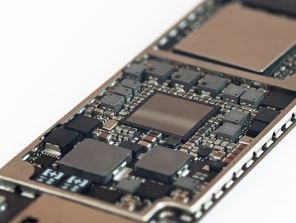
Figure 1, Traditional metallization processes are energy-intensive, use hazardous chemicals, create significant waste, and consume substantial amounts of water.
Environmental Impact of PCB Fabrication
Despite their countless benefits, electronic devices have spawned challenges and concerns. One of these challenges is the impact PCB fabrication has had on the environment. Traditional methods of fabricating circuit boards are energy-intensive, use hazardous chemicals, create significant waste, and consume substantial amounts of water.
Creating conductive electrical pathways within a circuit board is an integral part of fabricating PCBs. Traditionally this process has relied on a chemical process called electroless copper plating for primary metallization. This process requires PCBs to be immersed multiple times in chemical baths that contain cleaners, precious metal catalysts, cupric salts, reducing agents (usually formaldehyde), activators, and substantial amounts of water. Additionally, chelating agents, like EDTA, are needed to control process stability, and a variety of stabilizers are used to prevent undesired characteristics like rough deposits and coarse grain structure. Many of these chemicals are considered hazardous and need to be removed through wastewater treatment. Unfortunately, some are not easily removed from the solution and are resistant to conventional wastewater treatment procedures.
With increasing pressure by regulatory agencies, it seems odd that commercial electroless copper processes still utilize formaldehyde as the reducing agent, given the known health risks associated with formaldehyde exposure. While there are no bans on formaldehyde in the electronics industry, many countries have put forward regulations on the amount of annual importation or manufacturing of this chemical.
Also eye-opening is the continued usage of EDTA as the chelator in the electroless copper process. There are increasing legislative efforts in Germany and Japan to stop the use of EDTA since it is known to draw potentially toxic metals into the wastewater stream.
These pollutants, if not properly treated, pose significant risks to water quality and the health of aquatic ecosystems. Furthermore, the large amount of energy consumed during electroless copper plating contributes to greenhouse gas emissions, which according to the IPCC (Intergovernmental Panel on Climate Change) are contributing to global warming and climate change.
Direct Metallization – An Environmentally-friendly Alternative to Electroless Copper Plating

Figure 2, Direct metallization reduces environmental impacts in PCB fabrication
Environmentally preferable technologies, like direct metallization, continue to gain traction in the PCB industry. Direct metallization alternatives eliminate formaldehyde, EDTA, and other hazardous chemicals while significantly reducing water and energy consumption. Combined, these factors dramatically reduce the environmental impact of a critical step within the PCB fabrication processes.
Direct metallization is a proven technology, transforming the way conductive electrical pathways are fabricated within PCBs. Hundreds of manufacturers have already approved and transitioned from electroless copper plating to direct metallization for making simple and complex circuit boards, from flexible, rigid-flex and hybrid constructions to multi-layer PCBs with high-density interconnections (HDI).
Several PCB manufacturers were interviewed after their transition to direct metallization as part of the Design for the Environment Program funded by the US Environmental Protection Agency (EPA). Real-world performance data collected in the program confirms that direct metallization performs as well or better than traditional electroless copper plating and offers the following advantages.
Transitioning from Electroless Copper Plating to Direct Metallization provided:
- Significantly shorter cycle times, allowing PCB fabricators to quickly turn their jobs.
- Improved hole wall reliability, even for small holes and microvias.
- Direct copper-to-copper bonding and epitaxial grain structure.
- Fewer defects, like micro voids, for improved reliability.
- Improved quality, reducing the need for visual inspections.
- Elimination of acid cleaners, scrubbers, formaldehyde and EDTA.
- Dramatic reduction of chemical and water usage.
- Lowered expenses related to wastewater treatment.
- Decreased chemical, labor, and maintenance costs.
- Automated process features for improved efficiency.
- Reduced occupational hazards.
- A means to help customers meet their corporate sustainability objectives.
With the potential to improve quality, streamline manufacturing, control costs, and minimize the environmental impact, direct metallization is a promising technology for creating conductive electronic pathways within printed circuit boards.
Navigating Risk Management when Transitioning to Greener Technology
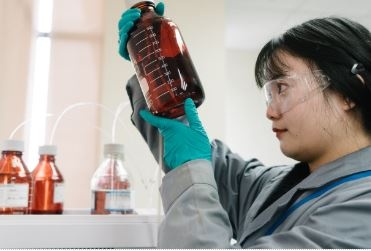
Figure 3, Over 600 lines production lines use MacDermid Alpha direct metallization technology.
It is a big decision to research, evaluate and change to a different technology to reach environmental stewardship goals. Lean on experts, like MacDermid Alpha, with over four decades of expertise in direct metallization and more than 600 lines in production worldwide. MacDermid Alpha has helped global PCB fabricators adopt direct metallization technologies instead of the electroless copper process and they can help you too!
Have media inquiries?
Connect with Us
For all media inquires, please contact Joanna Locke, Public Relations Manager
Email us